
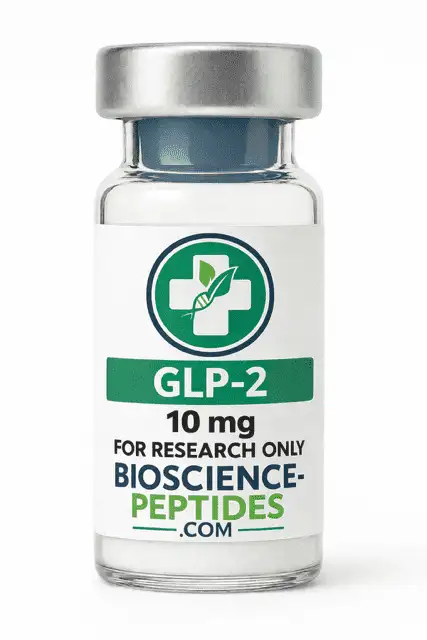
GLP-2 (10MG)
$80.00
GLP-2 (10MG) is a peptide research product associated with glucagon-like peptide-2 (GLP-2), a naturally occurring peptide hormone involved in intestinal physiology. GLP-2 is studied for its role in gastrointestinal signaling, intestinal cellular biology, and nutrient-related processes. This 10 mg product listing provides a research-oriented overview of GLP-2, its biological background, and relevant compound quality considerations. Exact product identity and specifications should be verified through the manufacturer’s documentation.
GLP-2 (10MG): Peptide Structure, Intestinal Biology and Research Overview
GLP-2 (10MG) is a product listing associated with glucagon-like peptide-2, a naturally occurring peptide hormone involved in gastrointestinal physiology. GLP-2 has attracted scientific attention because of its relationship with intestinal signaling, nutrient absorption, and the biological activity of intestinal tissues. Its role in gastrointestinal research makes it an important subject in peptide science and endocrinology.
The exact identity of a commercial GLP-2 product should be confirmed through supplier documentation, as native GLP-2 and modified GLP-2 analogues are distinct compounds.
What Is GLP-2?
Glucagon-like peptide-2, commonly abbreviated as GLP-2, is a 33-amino-acid peptide derived from the larger precursor molecule proglucagon. It is naturally released by specialized enteroendocrine L-cells located in the intestine, particularly in response to nutrient intake.
GLP-2 interacts with the glucagon-like peptide-2 receptor (GLP-2R), a receptor involved in signaling processes associated primarily with gastrointestinal physiology.
Unlike GLP-1, which is widely discussed in glucose regulation and appetite-related research, GLP-2 is especially associated with intestinal function and nutrient absorption.
GLP-2 and Intestinal Biology Research
One of the central areas of GLP-2 research involves the structure and function of the intestinal lining. The intestinal mucosa contains specialized cells and structures that contribute to nutrient absorption and gastrointestinal function.
Scientific studies have investigated GLP-2 signaling in relation to:
- Intestinal cellular biology
- Nutrient absorption mechanisms
- Gastrointestinal signaling pathways
- Intestinal blood flow
- Mucosal structure and function
- Enteroendocrine hormone activity
These areas provide insight into the complex interactions between hormones and the gastrointestinal system.
Understanding the GLP-2 Receptor
GLP-2 exerts its biological activity through the GLP-2 receptor, a G-protein-coupled receptor. Receptor activation initiates intracellular signaling pathways that can influence the activity of different cell populations within the gastrointestinal tract.
Researchers investigate these receptor interactions to understand how hormonal signaling contributes to intestinal physiology.
The receptor-related research is important because it helps distinguish GLP-2 from other peptide hormones that may have similar names but different biological targets.
GLP-2 and Nutrient Absorption
GLP-2 has been studied for its role in processes related to intestinal nutrient and fluid absorption. Research suggests that GLP-2 receptor signaling can influence intestinal mucosal structure and gastrointestinal blood flow.
These findings have contributed to the development of GLP-2 analogues for specific medical conditions. One example is teduglutide, a modified GLP-2 analogue approved for the treatment of short bowel syndrome with intestinal failure in certain patient populations.
However, native GLP-2, teduglutide, and other GLP-2-related compounds are not interchangeable. Their structures, properties, and regulatory status differ.
Understanding GLP-2 (10MG) Product Specifications
The 10 mg designation refers to the stated quantity of material in the product listing. It does not independently establish peptide identity, purity, biological activity, or suitability for any application.
When evaluating a GLP-2 product, important specifications include:
Compound identity: Confirm whether the product contains native GLP-2 or a modified analogue.
Purity documentation: Review available analytical testing and purity specifications.
Sequence information: Verify the peptide sequence from the manufacturer.
Batch traceability: Look for a batch number and corresponding certificate of analysis.
Storage documentation: Refer to the manufacturer’s stated storage and handling conditions.
Accurate documentation is important for distinguishing one peptide material from another.
GLP-2 Research and Scientific Limitations
GLP-2 is an established subject of gastrointestinal research, but research findings concerning a hormone or pharmaceutical analogue should not automatically be applied to a commercial research product.
A product labeled GLP-2 (10MG) should not be assumed to have the same characteristics as an approved medication. Its composition, quality, and regulatory status require independent verification.
Final Overview of GLP-2 (10MG)
GLP-2 is a naturally occurring 33-amino-acid peptide hormone studied for its involvement in intestinal physiology, gastrointestinal signaling, and nutrient absorption. Its receptor-mediated biological activity has made it an important subject in endocrinology and gastrointestinal research.
When evaluating GLP-2 (10MG), confirm the exact compound identity, peptide sequence, purity specifications, and available quality documentation.
Important Disclaimer: This content is provided for educational and informational purposes only. It is not medical advice. This research product is not intended for human or veterinary consumption, injection, diagnosis, prevention, or treatment of any medical condition. Do not interpret research information as evidence that an unapproved product is safe or effective for personal use.
Be the first to review “GLP-2 (10MG)”
Related products

FEATURE PEPTIDES

FEATURE PEPTIDES

FEATURE PEPTIDES

FEATURE PEPTIDES

FEATURE PEPTIDES

FEATURE PEPTIDES

FEATURE PEPTIDES

FEATURE PEPTIDES
Reviews
There are no reviews yet.