
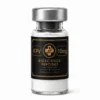

IPA (10MG)
$55.00
IPA (10 mg), commonly known as Ipamorelin, is a synthetic pentapeptide studied for its interaction with ghrelin receptors and growth hormone signaling pathways. It is investigated in laboratory research involving peptide-receptor activity, endocrine signaling, and the regulation of growth hormone release. This 10 mg research product is intended strictly for laboratory and educational purposes, not for human or veterinary consumption.
IPA (10 mg): Ipamorelin Peptide Research Guide
What Is IPA (Ipamorelin)?
IPA is commonly used as an abbreviation for Ipamorelin, a synthetic pentapeptide developed as a selective growth hormone secretagogue. It belongs to a group of compounds studied for their interaction with the ghrelin receptor, also known as the growth hormone secretagogue receptor (GHS-R).
Ipamorelin has attracted scientific interest because of its relationship with growth hormone signaling. Researchers investigate how this peptide interacts with receptor systems involved in endocrine regulation and cellular communication.
The IPA (10 mg) product listing identifies the compound by its commonly used abbreviation and stated quantity. Buyers and research professionals should verify the manufacturer’s documentation to confirm the compound identity, purity, and formulation.
Understanding the Structure of Ipamorelin
Ipamorelin is a synthetic peptide consisting of five amino acids. Its structure was developed to interact with growth hormone secretagogue receptors.
Unlike naturally occurring hormones, synthetic research peptides are designed to provide specific molecular structures for controlled scientific investigation.
Ipamorelin is particularly interesting because of its reported selectivity in experimental studies. Researchers have examined its interaction with growth hormone signaling without assuming that all biological effects associated with other secretagogues will be identical.
How Does Ipamorelin Relate to Growth Hormone Signaling?
Growth hormone is a hormone produced by the pituitary gland. It plays a role in several biological processes, including growth, metabolism, and tissue development.
The body regulates growth hormone through a complex communication system involving the hypothalamus, pituitary gland, and other signaling molecules.
Ipamorelin is studied because it interacts with the ghrelin receptor, which is associated with growth hormone secretagogue activity. This makes it relevant to research investigating how receptor activation influences endocrine signaling.
Understanding these pathways helps scientists examine the relationship between peptide structures, receptor activity, and hormone regulation.
Ipamorelin and Ghrelin Receptor Research
The ghrelin receptor, also known as GHS-R1a, is involved in several physiological signaling processes. Ghrelin is a naturally occurring hormone that interacts with this receptor and is associated with appetite regulation and growth hormone release.
Ipamorelin has been investigated as a synthetic compound that activates this receptor. Researchers study its receptor activity to better understand how synthetic peptides interact with endocrine pathways.
This research also contributes to broader investigations into receptor selectivity, peptide signaling, and the biological differences between naturally occurring hormones and synthetic compounds.
Research Interest in Endocrine Signaling
Endocrine signaling involves communication between glands, hormones, and different tissues throughout the body. These systems help coordinate numerous biological functions.
Ipamorelin is relevant to experimental research examining:
- Growth hormone secretagogue receptor activity.
- Peptide-receptor interactions.
- Endocrine signaling pathways.
- Hormonal regulation mechanisms.
- Selectivity among synthetic peptide compounds.
- Growth hormone-related laboratory models.
These areas represent scientific research interests rather than guaranteed outcomes or established medical benefits.
IPA (10 mg) Product Information
IPA (10 mg) is a research product commonly associated with Ipamorelin. The stated 10 mg quantity identifies the listed amount of the compound and should not be interpreted as a recommended dose or personal-use instruction.
Before laboratory evaluation, researchers should review the supplier’s available documentation. Important details may include compound identity, analytical purity, batch number, manufacturing information, and storage requirements.
Because product abbreviations can sometimes vary between suppliers, confirming that IPA refers to Ipamorelin is an important step when reviewing product specifications.
Important Research and Safety Considerations
Ipamorelin research does not establish that unapproved products are safe or effective for personal use. Research findings from laboratory or animal studies cannot automatically be applied to humans.
Products marketed as research peptides should not be treated as interchangeable with approved prescription medicines. Their composition and quality should be assessed through appropriate documentation and independent analytical testing where available.
IPA (10 mg) is intended strictly for laboratory research and educational purposes. It is not intended for human or veterinary consumption, injection, self-experimentation, diagnosis, prevention, or treatment of any medical condition.
Conclusion
Ipamorelin is a synthetic pentapeptide that has attracted scientific interest because of its interaction with ghrelin receptors and growth hormone secretagogue pathways. Its receptor activity makes it relevant to research involving endocrine signaling, peptide interactions, and hormonal regulation. IPA (10 mg) provides a reference product for laboratory research, with verified compound identity and supplier specifications remaining important considerations.
Be the first to review “IPA (10MG)”
Related products
FEATURE PEPTIDES
FEATURE PEPTIDES
FEATURE PEPTIDES
FEATURE PEPTIDES
CUSTOM ORDER
FEATURE PEPTIDES
FEATURE PEPTIDES
FEATURE PEPTIDES
Reviews
There are no reviews yet.